
Affiliate Marketing for Food Bloggers: The Complete Beginner’s Guide to Monetizing Your Food Blog
If you are a food blogger, chances are you already influence buying decisions.
Every time you share a recipe, you recommend ingredients.
Every time you post a tutorial, you mention tools.
And every time someone asks, “Which pan did you use?” you are already doing affiliate marketing without realizing it.
The difference is simple.
Right now, you may be recommending products for free.
Affiliate marketing allows you to get paid for those same recommendations.
Affiliate marketing for food bloggers is one of the most natural and beginner friendly ways to earn money online. You do not need your own product. You do not need sponsorships. You do not need millions of followers. You just need content that helps people cook better, faster, or smarter.
Think about this.
A reader visits your blog to make a chocolate cake.
They trust your recipe.
They follow your steps.
They notice the stand mixer or baking pan you used.
If you link that product and they buy it, you earn a commission.
No extra work.
No extra selling.
Just helpful content doing its job.
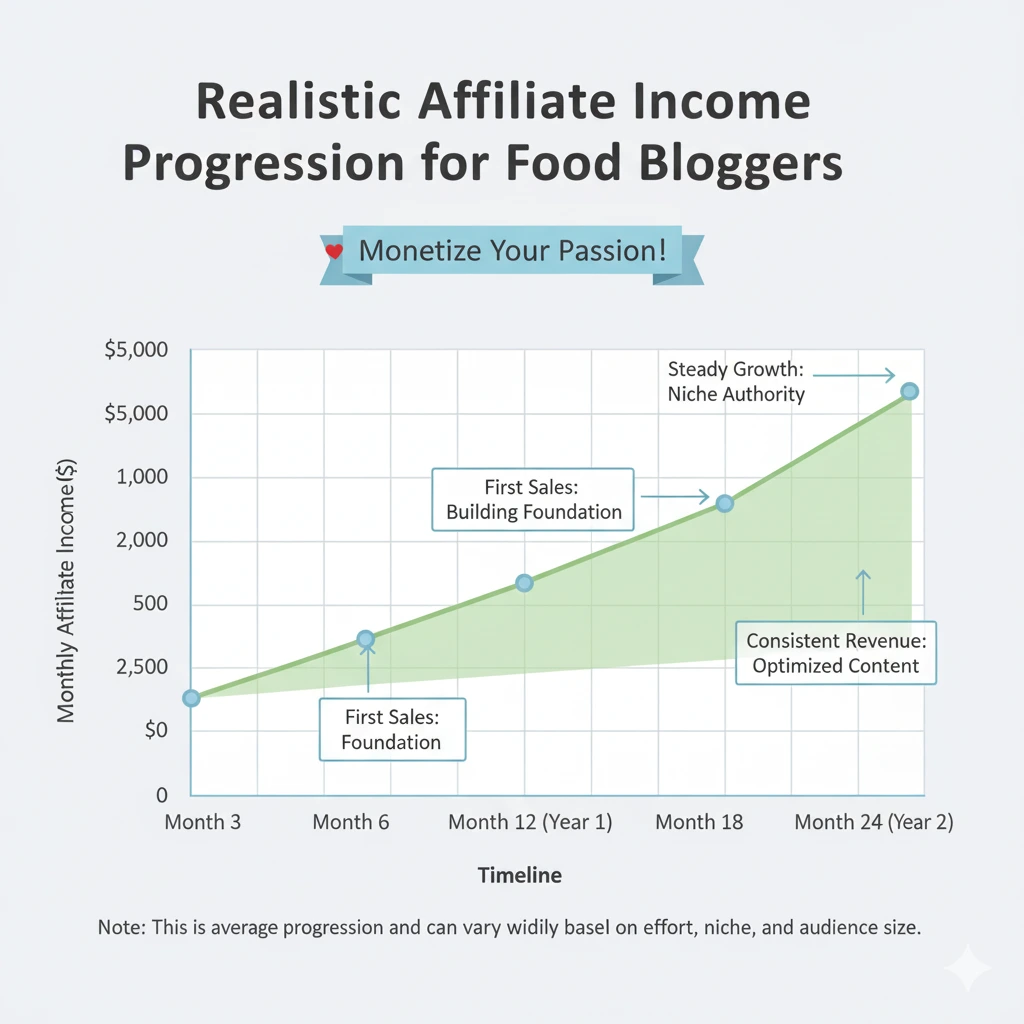
Many food bloggers earn anywhere from $500 to $5,000 per month through affiliate marketing alone. Some earn even more once their blog grows and ranks on Google. It is not overnight money. But it is very realistic income.
In this guide, you will learn exactly how affiliate marketing works for food bloggers, which programs are worth joining, where to place links, and how to increase your earnings without damaging trust or user experience.
Whether you are brand new or already blogging, this guide will give you a clear roadmap you can follow step by step.
What is Affiliate Marketing for Food Bloggers?
Affiliate marketing is a simple concept.
You promote someone else’s product.
When someone buys through your link, you earn a commission.
For food bloggers, this works especially well because your content already revolves around products.
Ingredients. Cookware. Kitchen tools. Courses. Subscriptions. Even hosting and blogging tools.
Here is a simple example.
You write a recipe for sourdough bread.
You mention a digital kitchen scale.
You link that scale using your affiliate link.
A reader clicks and buys.
You get paid.
The reader pays the same price.
The brand makes a sale.
You earn commission.
That is why affiliate marketing feels natural in food blogging. You are not forcing sales. You are guiding decisions.
Unlike ads that interrupt the reader, affiliate links blend into helpful content. When done right, they improve the experience instead of hurting it.
Affiliate marketing for food bloggers is also scalable. One blog post can earn for years. One recipe can bring hundreds of clicks every month.
Once published, your content keeps working in the background.
Another big advantage is flexibility.
You can start with zero traffic.
You can promote free tools or low cost items.
You can grow at your own pace.
Most importantly, affiliate marketing rewards authenticity. Readers trust food bloggers who test recipes, show results, and share real opinions. That trust is what converts clicks into income.
By the end of this guide, you will understand how to build affiliate income the right way. Slowly. Strategically.
And sustainably.
Why Affiliate Marketing Works So Well for Food Bloggers
Affiliate marketing fits food blogging almost perfectly. Not because it is trendy, but because food content naturally solves problems. People visit food blogs to learn, to cook better, and to buy the right things. When your content helps them choose wisely, affiliate income becomes a byproduct of value.
Food bloggers do not need aggressive sales tactics. The blog itself does the selling. Your job is simply to guide readers toward tools and products that genuinely make their cooking experience easier.
Let’s break down why this model works so well.
You Already Recommend Products Naturally:
Think about your last five blog posts.
You probably mentioned a pan, a blender, a spice, or a baking dish.
That is already a recommendation.
Food bloggers regularly talk about products while explaining recipes. A stand mixer in a cake recipe. A cast iron pan in a stovetop tutorial. A knife set during meal prep. These mentions feel natural because they are part of the process.
Affiliate links simply turn those natural mentions into income.
Instead of writing “use a nonstick skillet,” you write “this nonstick skillet I use,” and link it. Instead of saying “any good baking sheet will work,” you link the exact one that gives you consistent results.
Readers appreciate specificity. It saves them time.
And when they trust your cooking, they trust your tools.
This is why affiliate marketing for food bloggers does not feel salesy. You are not pushing. You are sharing what already works for you.
Multiple Monetization Touchpoints:
One of the biggest strengths of food blogs is content variety. Each type of post opens a new opportunity to earn.
Recipe posts can link ingredients, cookware, and appliances.
Tutorials can link prep tools and specialty equipment.
Guides can recommend subscriptions, courses, and meal kits.
Reviews can focus on one product in depth.
Most food content is evergreen.
A good recipe can rank on Google for years.
A baking guide can bring traffic every holiday season.
A kitchen tool review can earn commissions long after publication.
This means food blogging passive income is real, not hype.
Instead of relying on one viral post, your income comes from many small streams working together. Over time, this creates stability.
Trust-Based Recommendations Convert Better:
Food blogging is personal.
People follow recipes from bloggers they trust.
They watch your cooking process.
They see your photos.
They read your tips.
That trust carries over when you recommend products.
A food blogger saying, “I use this mixer every week” converts far better than a generic ad saying “best mixer on sale.” Real experience beats marketing copy every time.
This is also why honesty matters. If a product has flaws, mention them. Readers value transparency, and it increases long-term conversions.
Affiliate marketing works best when your goal is helping first and earning second. When readers feel supported, clicks become purchases naturally.
How Affiliate Marketing Works: A Simple Breakdown
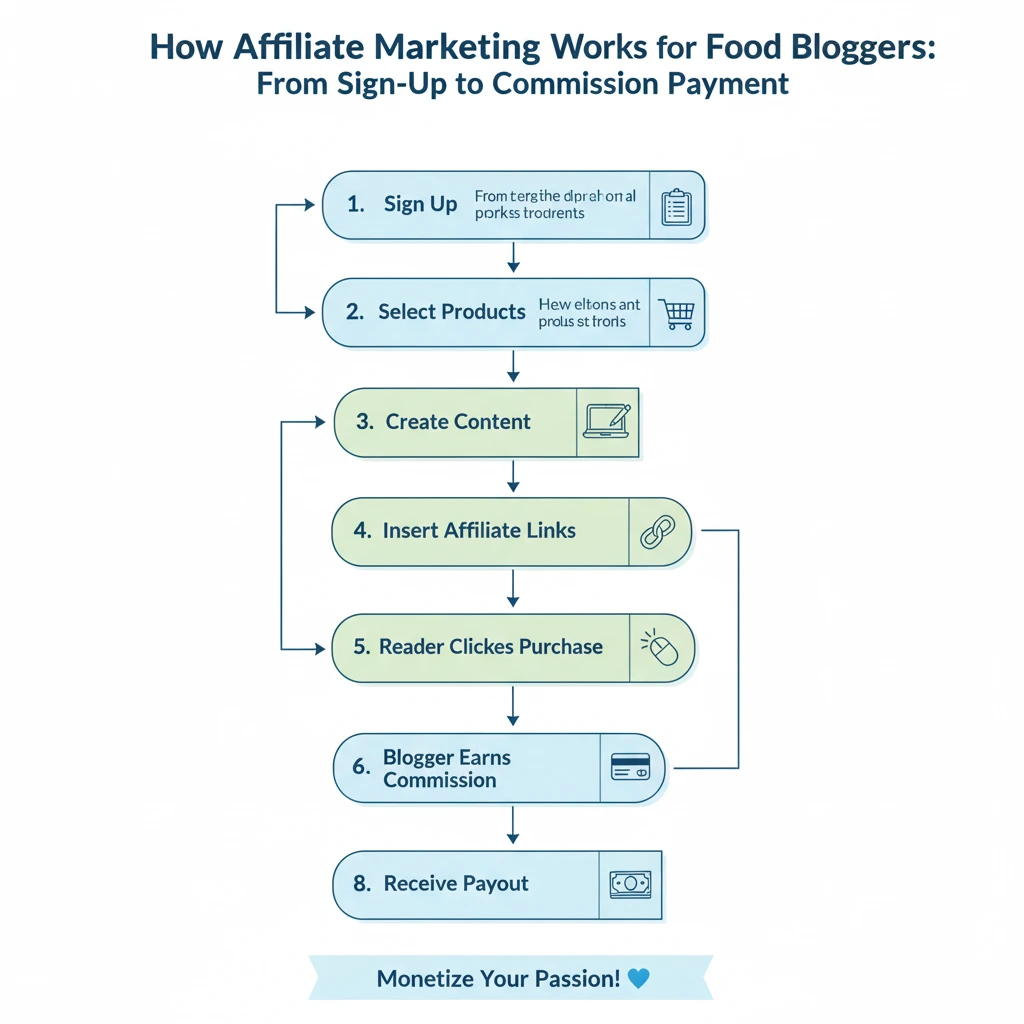
If affiliate marketing feels confusing right now, don’t worry. Once you understand the flow, it becomes extremely simple.
The 3-Step Process
Affiliate marketing for food bloggers works in three clear steps.
First, you join an affiliate program.
Most programs are free and take only a few minutes to apply.
Second, you get your unique affiliate link.
This link tracks who clicks from your blog and makes a purchase.
Third, you place that link inside your content.
When someone buys, you earn a commission.
That is it.
No customer support.
No order handling.
No inventory.
Your blog becomes the bridge between the reader and the product.
Commission Models Explained
Not all affiliate programs pay the same way. Understanding this helps you choose better programs.
Pay per sale is the most common.
You earn a percentage when someone buys.
Pay per lead pays you when someone signs up or starts a trial.
This works well for tools and platforms.
Pay per click is rare in the food niche and usually not worth focusing on.
Most physical food products pay 3 to 10 percent.
Digital products like courses or tools can pay 20 to 50 percent or more.
This is why mixing physical and digital offers is smart.
When Do You Get Paid?
Affiliate programs track clicks using cookies.
If someone clicks today and buys later, you still earn.
Most cookies last between 30 and 90 days.
Payments are usually monthly.
Minimum payout thresholds range from $50 to $100.
Affiliate income is delayed income. You work first, get paid later. But once it starts, it stacks.
Best Affiliate Programs for Food Bloggers (By Category)
Choosing the right programs makes a massive difference in food blogger income. Below are trusted categories that work well for beginners and advanced bloggers alike.
Kitchen Equipment and Cookware
Amazon Associates is the easiest place to start.
You can link almost anything kitchen related.
Other solid options include Williams Sonoma, Sur La Table, Lodge Cast Iron, and KitchenAid.
These convert well because readers already intend to buy tools when cooking.
Specialty Ingredients and Grocery
Programs like Thrive Market, ButcherBox, Instacart Tastemakers, and iHerb work great for ingredient focused blogs.
They pay well and fit naturally into ingredient lists.
Meal Kits and Food Subscriptions
Meal kits solve real problems.
Time. Planning. Convenience.
HelloFresh, Blue Apron, Home Chef, and Imperfect Foods offer strong commissions and high conversion rates.
Online Cooking Courses and Books
Digital products usually pay higher commissions.
Udemy, MasterClass, and Amazon cookbooks are great fits for educational content.
Web Hosting and Food Blog Tools
Hosting and blogging tools pay very well.
Bluehost, SiteGround, WP Recipe Maker, and Tasty Pins are perfect for resource pages and blogging tutorials.
Photography and Content Creation
Food photography gear sells extremely well.
Adobe, Canva Pro, Skillshare, and photography tools fit naturally into behind-the-scenes and blogging posts.
How to Choose the Right Affiliate Programs
Not every affiliate program deserves a spot on your blog.
5 Questions to Ask Before Joining
Ask yourself if you actually use the product.
Ask if your audience would benefit from it.
Understand the commission structure.
Check the cookie duration.
Review payment terms.
If the answer to any of these feels off, skip it.
Red Flags to Avoid
Avoid programs with zero reviews.
Avoid commissions below 2 percent.
Avoid short cookie windows.
Avoid high payout thresholds.
Avoid poor affiliate support.
Quality Over Quantity
You do not need 50 affiliate links per post.
Five well placed links outperform dozens of random ones.
Trust converts better than volume.
Where to Place Affiliate Links in Your Food Blog
Placement matters more than quantity.
Recipe Posts (Your Biggest Opportunity)
Ingredients lists work well for specialty items.
Instructions are perfect for tool mentions.
Recipe cards convert well with plugins like WP Recipe Maker.
Product Review Posts
Standalone reviews rank well on Google.
Roundups compare multiple products.
Seasonal guides perform well during holidays.
Resource Pages
Create pages like “My Kitchen Essentials” or “Shop My Kitchen.”
These pages convert quietly in the background.
Email Newsletter
Email subscribers trust you the most.
Product recommendations in emails often outperform blog links.
Social Media (Where Allowed)
Pinterest works exceptionally well.
YouTube descriptions convert strongly.
Instagram depends on follower count and rules.
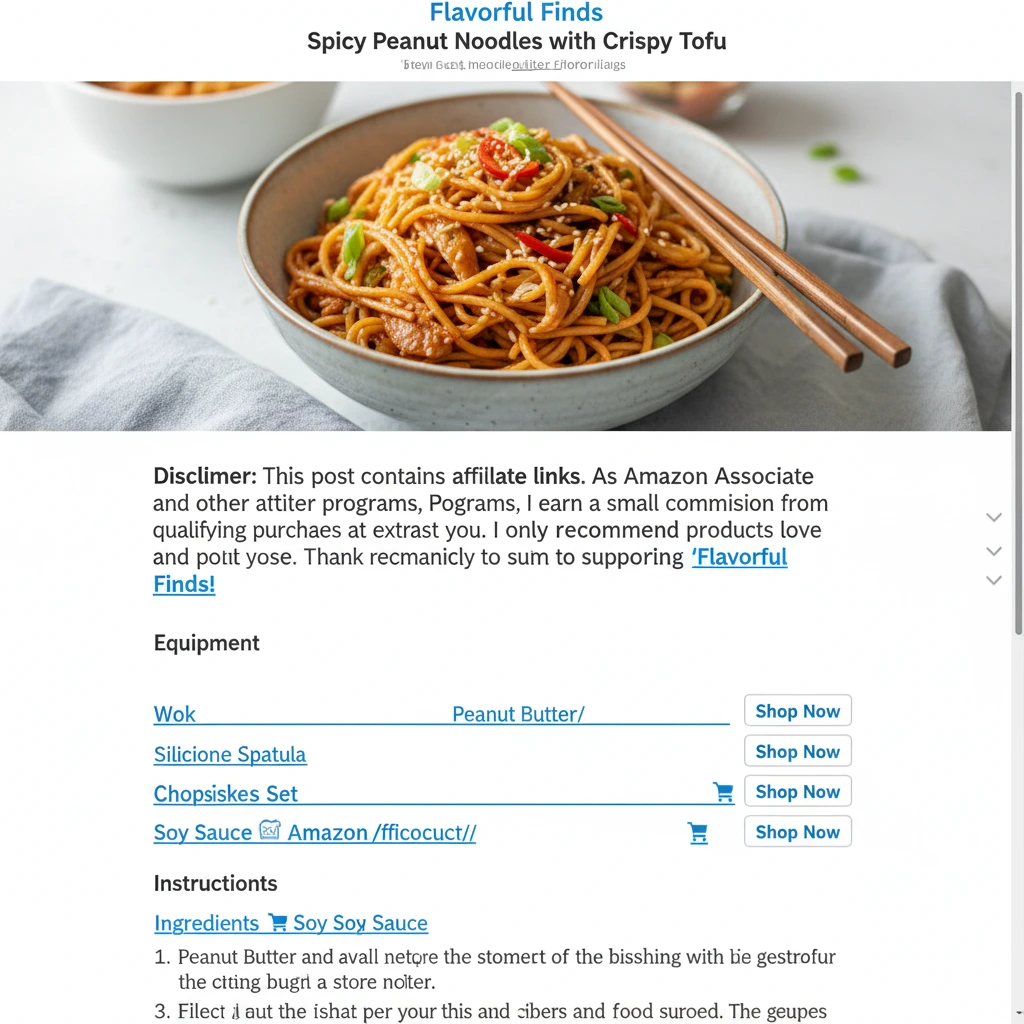
Step by Step: Getting Started with Your First Affiliate Program
Step 1: Sign Up for Amazon Associates
Amazon is beginner friendly.
Approval is simple.
Conversion rates are high.
Step 2: Get Your Affiliate Links
Use SiteStripe for quick link creation.
Text links usually convert better than images.
Use Pretty Links to manage and shorten URLs.
Step 3: Add Links to an Existing Recipe
Choose a high traffic post.
Identify natural mentions.
Add a short disclosure.
Create a “Shop This Post” section.
Step 4: Track Performance
Watch clicks, conversions, and earnings.
Expect your first commission within weeks or months.
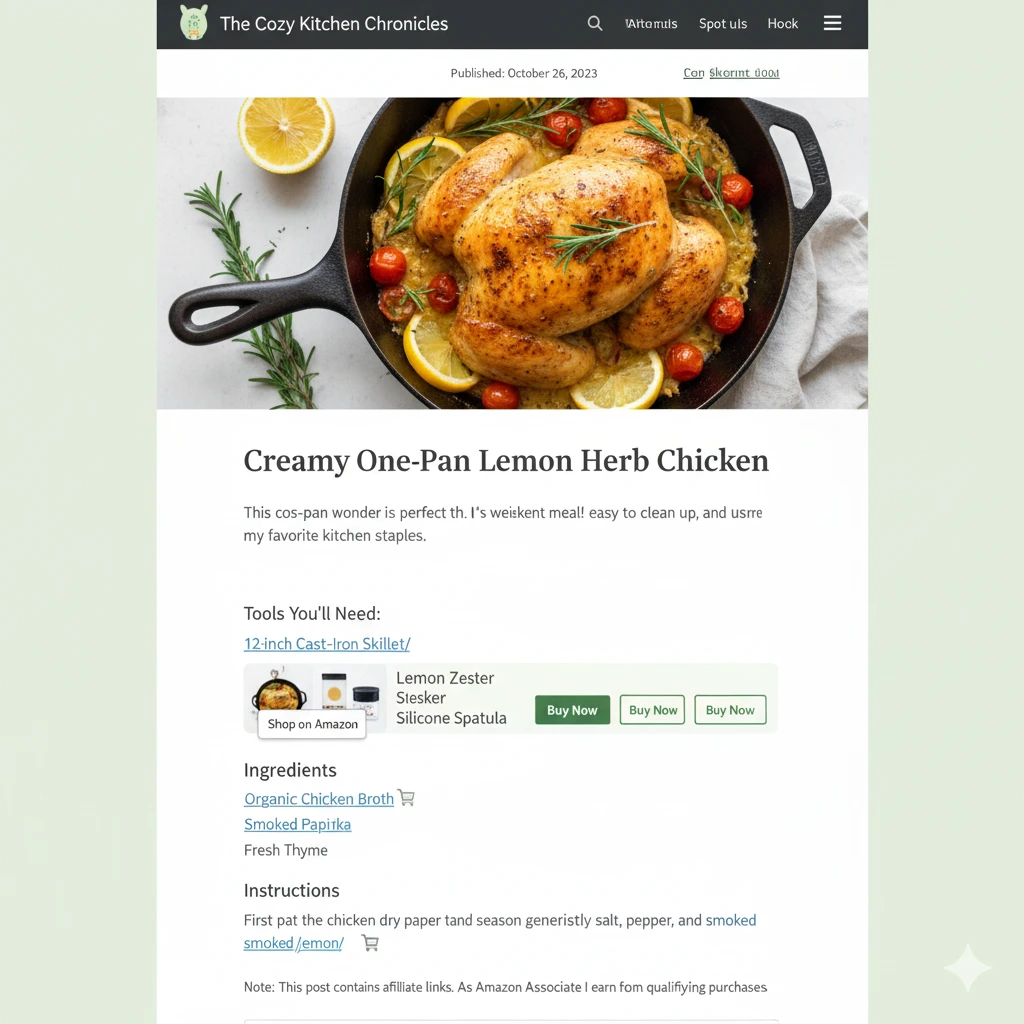
FTC Disclosure Requirements (Stay Legal!)
Affiliate disclosures are required by law and essential for trust.
Why Disclosures Matter
They protect you legally.
They build credibility.
They show honesty.
How to Write Proper Disclosures
Example:
“This post contains affiliate links. If you purchase through them, I may earn a small commission at no extra cost to you.”
Place disclosures near the top and before links.
Platform Specific Disclosures
Blogs need visible text.
Instagram uses #ad or #affiliate.
YouTube requires verbal and written disclosure.
Pinterest disclosures go in descriptions.
Strategies to Increase Affiliate Earnings
Create product roundups.
Write deep reviews.
Optimize top posts.
Build a shop page.
Create seasonal content.
Leverage email marketing.
Affiliate income grows when content depth grows.
Common Mistakes Food Bloggers Make (And How to Avoid Them)
Promoting products you never used breaks trust.
Overloading posts kills conversions.
Skipping disclosures risks penalties.
Ignoring analytics slows growth.
Giving up early stops income.
Skipping email lists limits scaling.
Avoiding these mistakes puts you ahead of most beginners.
Tools and Plugins to Manage Affiliate Links
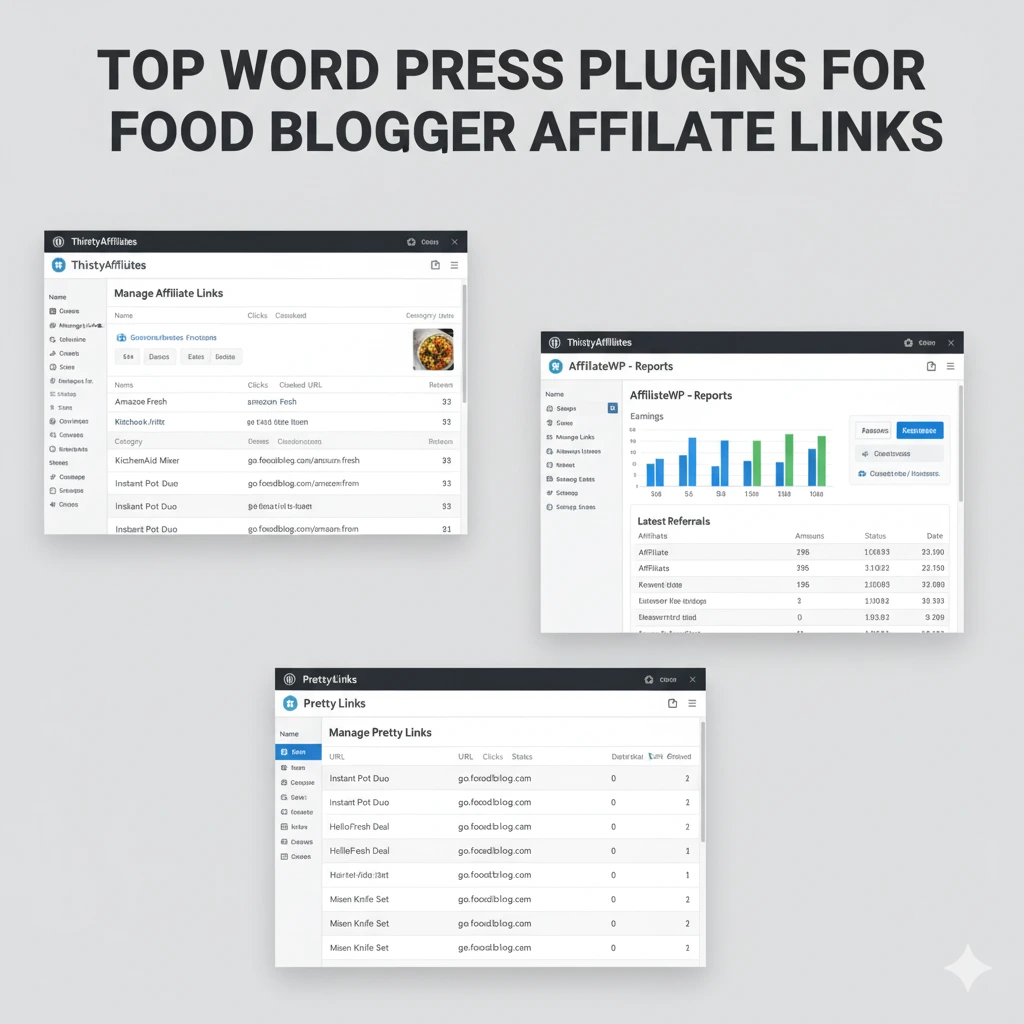
Pretty Links and ThirstyAffiliates help manage links.
Disclosure plugins automate compliance.
Google Analytics and MonsterInsights track performance.
Recipe plugins like WP Recipe Maker integrate links naturally.
Realistic Income Expectations for Beginner Food Bloggers
Months 1 to 3 focus on setup and learning.
Months 4 to 6 show early consistency.
Months 7 to 12 bring reliable income.
Year two and beyond scales with traffic and trust.
Traffic, niche, content quality, and placement all matter.
Advanced Tips for Growing Your Affiliate Income
Diversify beyond Amazon.
Use video content.
Invest in SEO.
Build brand partnerships.
Repurpose content across platforms.
Your Next Steps: 30-Day Affiliate Marketing Action Plan
Week 1 focuses on setup.
Week 2 audits content.
Week 3 creates monetized posts.
Week 4 promotes and optimizes.

Start Your Food Blog Affiliate Marketing Journey Today (With Conclusion)
Affiliate marketing for food bloggers is not about shortcuts. It is about aligning income with help.
You already guide readers every day.
You already recommend tools and ingredients.
Affiliate marketing simply rewards you for that effort.
Start small. Stay honest. Focus on solving problems.
Income will follow naturally over time.